
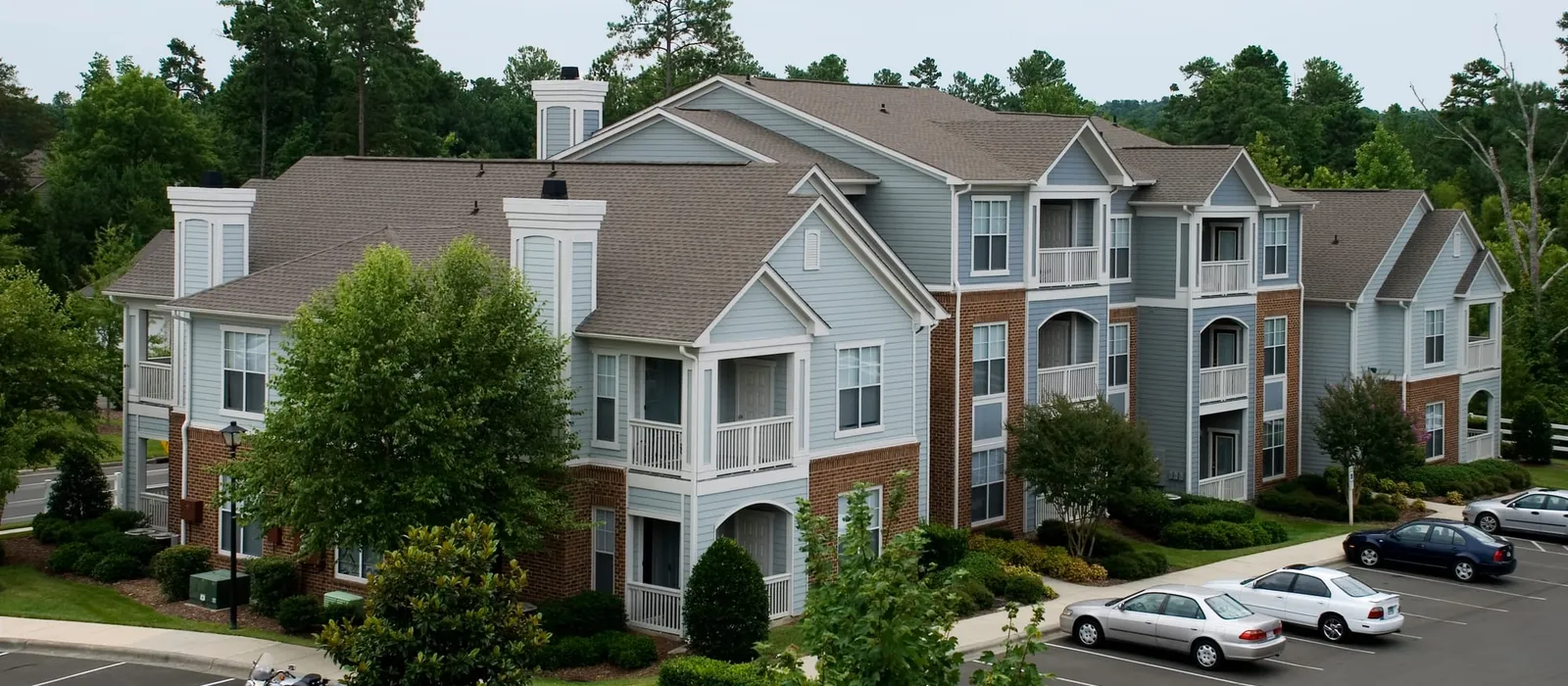
The short answer
Yes. Like-kind refers to the nature of the property, not its grade or quality, and Reg. section 1.1031(a)-1(b) says whether real estate is improved or unimproved does not matter. The same regulation's examples include exchanging city real estate for a ranch or farm. Both properties must be held for business or investment use and both must be in the United States. What changes is the tax life of the property afterward: bare farmland gives you no depreciation, while the building part of an apartment complex is depreciated over 27.5 years.
At a glance
| Like-kind test | Nature or character of the property, not grade or quality |
|---|---|
| Improved vs unimproved | Not material under the regulations |
| Geography | U.S. real property is not like-kind to foreign real property |
| Use test | Both held for business or investment, not primarily for sale |
| Depreciation after | Land-derived basis in the building starts a new 27.5-year schedule |
| Grain bins and silos | Real property for 1031, but section 1245 recapture can still apply |
| Machinery and livestock | Not real property, so not part of the exchange |
Every U.S. parcel held for investment is like-kind to every other
Section 1031(a)(1) defers gain on real property held for productive use in a trade or business or for investment that is exchanged solely for like-kind real property held for the same purposes. Reg. section 1.1031(a)-1(b) says improved or unimproved status relates only to grade or quality, and its examples include exchanging city real estate for a ranch or farm.
Reg. section 1.1031(a)-3 defines real property as land, improvements to land and unsevered natural products of land, and lists barns, fences, grain storage bins and silos as inherently permanent structures. Cropland, pasture, timber and the farm's buildings are therefore all in the same class as an apartment building.
The two limits are location and purpose. Section 1031(h) makes U.S. and foreign real property not like-kind, and section 1031(a)(2) excludes property held primarily for sale, so lots you are subdividing for buyers do not count.
The exchange turns non-depreciable land basis into depreciable building basis
Land is never depreciated, so a farmland owner's basis has been sitting idle. Reg. section 1.168(i)-6 says that when depreciable property is acquired in exchange for land, the basis in the replacement that is attributable to the relinquished land is treated as placed in service in the year of replacement, using the recovery period for the new property.
For an apartment building that is the 27.5-year residential rental schedule in Publication 527. Any extra basis from added cash or new debt is also new property placed in service at closing.
The land portion of the apartment property stays non-depreciable, so get an allocation between land and building at purchase. How the schedule works on a replacement generally is in depreciating replacement property.
Worked example: $2 million of cropland into a $3 million apartment complex
Hypothetical, round numbers; run your own numbers with your CPA. You exchange cropland worth $2,000,000 with a $300,000 basis and no buildings into a $3,000,000 apartment complex, adding a $1,000,000 loan. The $1,700,000 gain is deferred and your basis in the complex is $1,300,000.
If the appraisal puts 20% of the complex in land, about $1,040,000 of basis lands in the building. Spread over 27.5 years, that is roughly $37,800 a year of depreciation you never had on the farm.
The trade-off is recapture later. Each dollar of that depreciation reduces basis, and on an eventual taxable sale it is taxed at up to 25% as unrecaptured section 1250 gain under the rules in Topic 409.
- Gain deferred: $1,700,000.
- Depreciable basis after: about $1,040,000, assuming an 80/20 building and land split.
- Depreciation per full year: about $37,800, with a partial first year.
Some farm improvements carry recapture that an apartment building cannot absorb
Grain bins, silos and fences are real property for exchange purposes, but some farm structures are section 1245 property for recapture: section 1245(a)(3) includes single purpose agricultural or horticultural structures. Under section 1245(b)(4), recapture in an exchange is limited to gain recognized plus the fair market value of non-1245 property acquired.
An apartment building is section 1250 property, so exchanging depreciated 1245 structures into it can produce ordinary income on those structures even when every other dollar is deferred. Price that exposure with section 1245 recapture in real estate before you sign.
Equipment, breeding livestock and harvested crops are outside the exchange entirely because they are not real property; how equipment, livestock and crops are handled covers the allocation.
What to do, and where a DST fits a farm family
Confirm the farmland was held for business or investment, which includes land you farm and land you cash-rent, as covered in whether cash-renting counts. Carve out the farmhouse; it is a residence, not investment property, and how the farmhouse is treated explains the split.
Many farm sellers want apartments without a landlord's workload. A Delaware statutory trust interest that owns apartments is treated by Rev. Rul. 2004-86 as acquirable in a 1031 exchange, and the trust's depreciation flows through on your share; the structure is described on traditional DSTs.
For the broader decision, including heirs and keeping some acres, see 1031 for farm and ranch families and the farmland property page.
Related questions
Is pasture or timberland also like-kind to apartments?
Yes. Unsevered natural products of land, including timber and growing crops, are real property under Reg. section 1.1031(a)-3, and all U.S. real property held for investment or business is like-kind.
Can I exchange farmland for a duplex I will live in?
No. The replacement must be held for business or investment. A home you occupy fails the use test for any of the proceeds you put into it.
Does the depreciation on the apartments start from my old farmland basis?
Yes. The basis attributable to the land you gave up is treated as new property placed in service in the year of the exchange under Reg. section 1.168(i)-6, so it starts a fresh 27.5-year schedule.
Do I owe recapture on the farm buildings?
Possibly. Section 1245 structures exchanged into non-1245 property can trigger ordinary income under section 1245(b)(4); ordinary barns and farm buildings are section 1250 property.
Can I keep part of the farm and exchange the rest?
Yes. Sell the acres you are giving up and exchange only those proceeds; the retained land keeps its own basis.
Sources
Checked against these publications on September 30, 2026. Rules and figures change; confirm the current version with your CPA or attorney before you act. This page is general information, not tax or legal advice.
- 26 U.S.C. Section 1031, like-kind exchanges
- Treas. Reg. Section 1.1031(a)-1, like kind defined
- Treas. Reg. Section 1.1031(a)-3, definition of real property
- Treas. Reg. Section 1.168(i)-6, like-kind exchanges and depreciation
- 26 U.S.C. Section 1245, gain from dispositions of certain depreciable property
- IRS Publication 527, Residential Rental Property
- IRS Publication 225, Farmer's Tax Guide
- IRS Topic 409, capital gains and losses
- IRS, Rev. Rul. 2004-86 in Internal Revenue Bulletin 2004-33